




【Keywords】: pre‑surface‑treatment cleaning agent, high‑pressure‑spraying cleaning agent, low‑foam cleaning agent, pre‑electroplating cleaning, pre‑coating cleaning
【Abstract】: Surface‑treatment processes such as electroplating, coating and anodizing impose extremely high requirements on substrate cleanliness. Pre‑surface‑treatment cleaning lines widely adopt high‑pressure spraying and are highly sensitive to foam. Cleaning agents represented by CP‑600T feature low‑foam performance, insensitivity to temperature and spraying pressure, and residue‑free blow‑drying effect, serving as a reliable choice for pre‑surface‑treatment cleaning.
Why Pre‑Surface‑Treatment Cleaning Allows Zero Errors
1.Quality‑sensitive processes: Residual oil contaminants or cleaning‑agent residues on substrates will reduce coating adhesion, trigger blistering & peeling of paint films and cause uneven oxide films. It may lead to cosmetic defects or even batch‑part scrappage in severe cases.
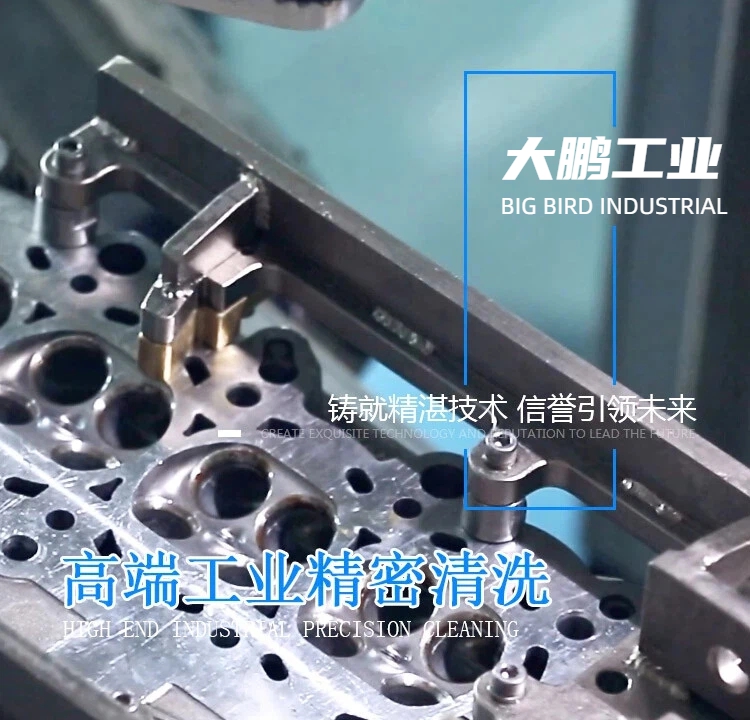
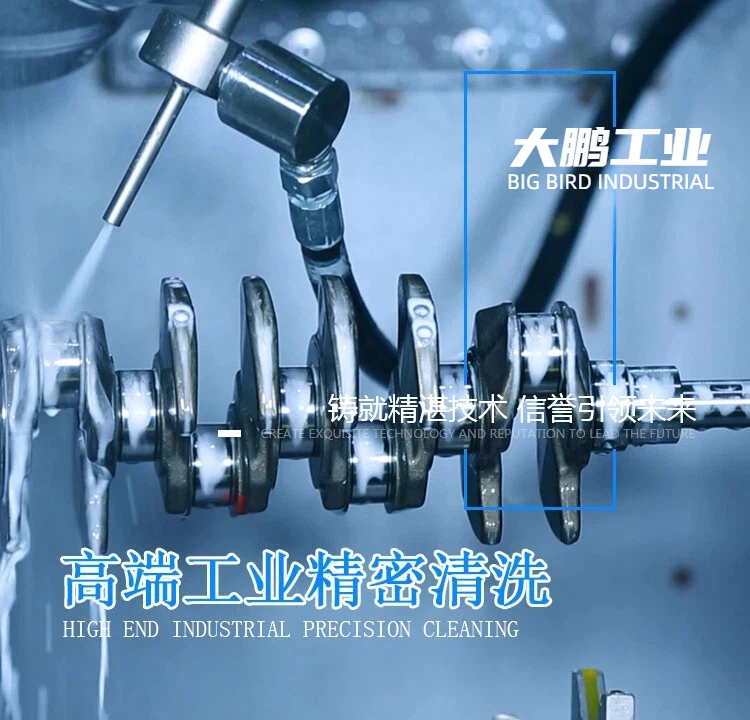
2.High‑pressure‑spraying working condition: Pre‑surface‑treatment cleaning lines generally run at high pressure and fast cycle time. Excessive foam overflows from tanks or is sucked into high‑pressure nozzles, resulting in liquid‑level fluctuation, uneven cleaning and even equipment damage.
3.Strict residue control: Inorganic ingredients in cleaners precipitate into white marks after blow‑drying, and such residues impair adhesive strength of electroplated and painted layers.
4.Temperature fluctuation: Cleaning lines operate under widely‑varying temperatures across seasons and sites. Cleaning agents shall maintain stable performance under temperature changes.
Therefore, pre‑surface‑treatment cleaning agents shall satisfy multiple requirements simultaneously: low‑foam property, pressure resistance, residue‑free performance and temperature stability.
Core Features of CP‑600T Special‑Purpose Pre‑Surface‑Treatment Cleaning Agent
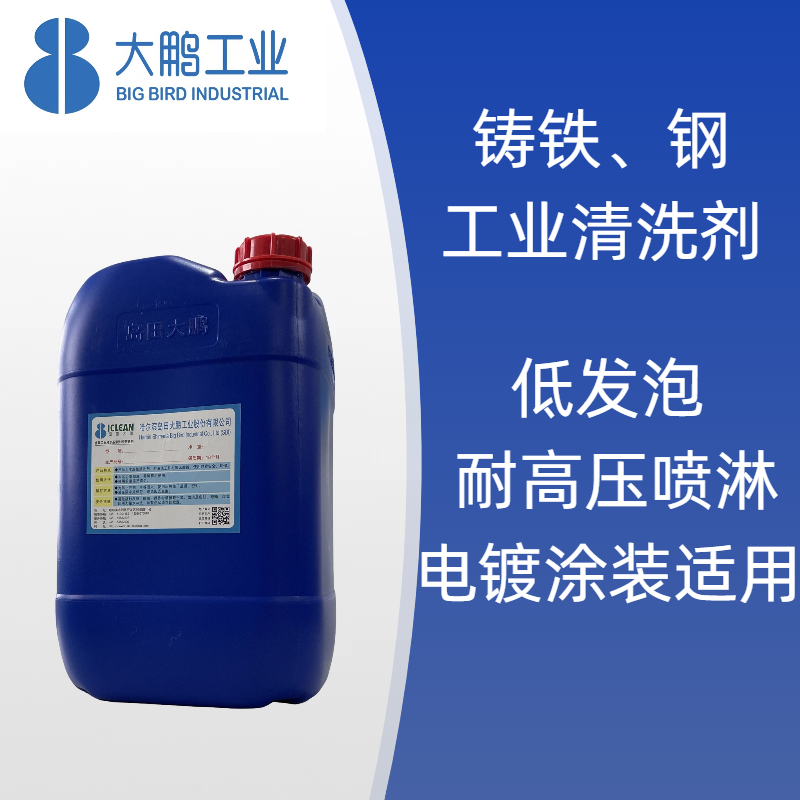
CP‑600T is an inorganic‑component‑free water‑based cleaning agent for pre‑surface‑treatment cleaning of components:
1.Low‑foam performance: Low foam level immune to temperature and spraying‑pressure variation. It remains stable under high‑pressure spraying and large‑flow circulation, preventing foam overflow and uneven cleaning.
2.Surface‑treatment‑friendly: Suitable for pre‑process cleaning before electroplating, painting, anodizing, blackening and other surface‑treatment operations. High substrate‑cleanliness helps improve adhesion of electroplated and painted layers.
3.Free of white residual marks: Inorganic‑component‑free formula leaves no white marks after blow‑drying and brings no adverse impact on downstream procedures.
4.Excellent short‑term rust protection: Delivers outstanding short‑term rust‑inhibiting performance for steel and cast‑iron parts. Cleaned workpieces can be safely stored pending subsequent surface‑treatment operations.
5.Strong degreasing under heating: Remarkable degreasing efficiency at 60 °C, enabling rapid cleaning for heavily‑soiled workpieces.
Applicable scenarios: Cleaning of cast‑iron and steel workpieces in automotive‑component production lines; pre‑surface‑treatment cleaning in various metal‑processing workflows, especially for automated high‑pressure‑spraying cleaning lines.
Process Recommendations for Pre‑Surface‑Treatment Cleaning
1.Control working concentration within 3%‑10%; prepare initial bath at 5%.
2.Directly apply for high‑pressure spraying without pressure reduction. Its low‑foam characteristic ensures stable cleaning operation.
3.Heat to 60 °C for stubborn oily contaminants for optimal degreasing performance.
4.Fully rinse and blow‑dry workpieces after cleaning to guarantee clean substrates entering surface‑treatment procedures.
5.Leverage its short‑term rust‑protection capacity for safe temporary storage of cleaned parts before electroplating, painting and other downstream processes.
FAQ
Q: Why is low‑foam property required for pre‑surface‑treatment cleaning?
A: Pre‑surface‑treatment lines mostly adopt high‑pressure spraying. Excessive foam may overflow from tanks or be drawn into spray nozzles, causing liquid‑level fluctuation, uneven cleaning and even equipment failure. CP‑600T maintains low‑foam status independent of temperature and pressure to secure stable high‑pressure‑spraying operation.
Q: What harm will cleaning‑agent residues bring to electroplating and painting?
A: Residues reduce coating adhesion, induce paint blistering‑peeling and cause uneven oxide films. Being inorganic‑component‑free, CP‑600T leaves no white marks after blow‑drying and avoids quality defects of electroplated and painted layers triggered by residues.
Q: What is the difference between CP‑600T and CP‑50T?
A: Both are inorganic‑component‑free and produce no white marks after blow‑drying. CP‑600T is optimized for pre‑surface‑treatment cleaning and highlights low‑foam performance as well as temperature‑pressure insensitivity. CP‑50T targets general‑purpose process cleaning and emphasizes compatibility with welding and lubrication procedures.
Q: Does CP‑600T provide rust‑protection function?
A: Yes. CP‑600T delivers excellent short‑term rust inhibition for steel and cast‑iron parts. Cleaned workpieces can be safely stored waiting for surface‑treatment, reducing rework caused by rusting.