

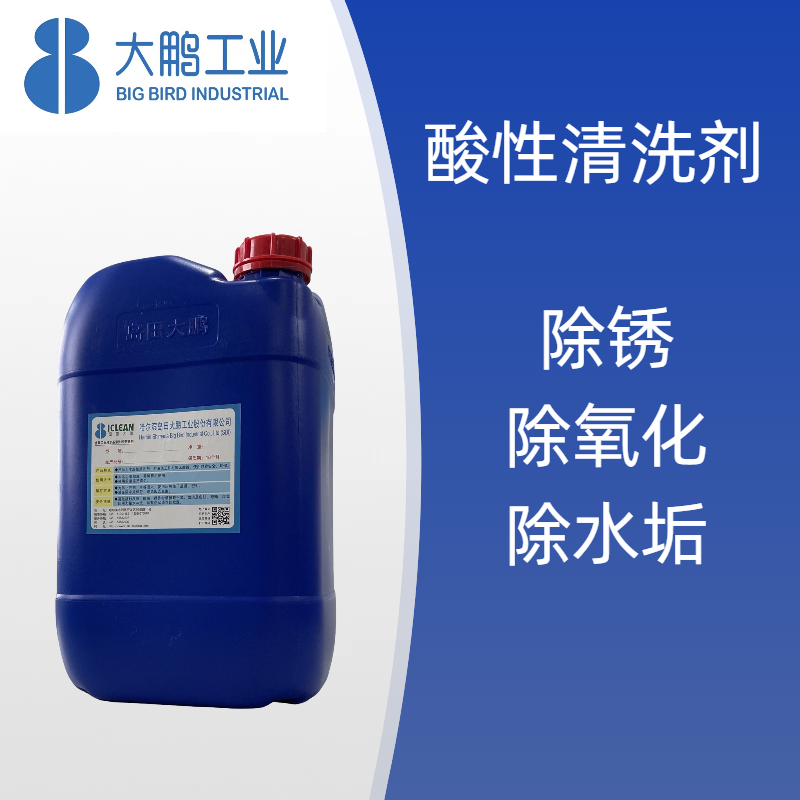



【Keywords】: acidic cleaning agent, rust remover, scale and oxide‑skin removal, water‑based acidic cleaning agent
【Abstract】: Alkaline cleaning agents excel at oil removal, while acidic cleaning agents are specialized for rust removal, oxide elimination and scale removal. For workpieces covered with rust, black oxide stains, mildew spots or water scale, select water‑based acidic cleaning agents with corrosion inhibitors such as CPAC‑MUHF02, which remove contaminants while protecting metal substrates.
Alkaline vs Acidic Cleaning Agents: Different Functional Orientations
Main functions: Alkaline cleaning agents — degreasing and oil removal; Acidic cleaning agents — rust removal, oxide‑skin removal, water‑scale removal and mildew‑spot removal.
Typical contaminants: Alkaline cleaning agents — cutting fluid, machining oil, anti‑rust oil; Acidic cleaning agents — rust deposits, black oxide marks, water scale and mildew spots.
Applicable materials: Alkaline cleaning agents — iron, steel, aluminum, magnesium and others (weak‑alkaline grades); Acidic cleaning agents — aluminum, stainless steel, carbon steel, copper alloys and others (formulated with corrosion inhibitors).
Potential risks: Alkaline cleaning agents — strong alkalis may corrode non‑ferrous metals; Acidic cleaning agents — metal‑substrate corrosion occurs without corrosion inhibitors.
When both oil contamination and rust exist on workpieces, the common process sequence is “acid‑based rust removal → alkaline degreasing”. Alternatively, acidic cleaning agents with partial detergency can handle lightly mixed oil‑rust contaminants.
Core Features of CPAC‑MUHF02 Water‑Based Acidic Cleaning Agent
CPAC‑MUHF02 is a high‑efficiency and eco‑friendly water‑based acidic cleaning agent scientifically compounded with selected organic acids, corrosion inhibitors, penetrants and surfactants:
‑ Powerful cleaning performance: Rapidly dissolves and strips metal oxides and inorganic scale with outstanding cleaning efficiency.
‑ Corrosion inhibition & anti‑rust property: Incorporated with high‑efficiency corrosion inhibitors, it minimizes corrosive damage to metal substrates during intensive cleaning. A short‑term protective film forms on metal surfaces after cleaning to effectively retard rust re‑occurrence.
‑ Water‑based & eco‑friendly: Water serves as the base medium. Free of strong oxidizing acids such as concentrated nitric acid and chromic acid; waste liquid is easy to treat.
‑ Safe operation: No volatile acid mist such as hydrochloric‑acid fume is generated during application, greatly improving working conditions.
‑ Broad material compatibility: Suitable for aluminum alloys, stainless steel, carbon steel, copper alloys and multiple other materials.
‑ Easy‑to‑use: Dilute with water flexibly according to contaminant severity. Compatible with immersion, spraying, wiping, ultrasonic cleaning and other processing methods.
Applicable scenarios: Efficient removal of rust deposits, black oxide marks, mildew spots, water scale and lightly mixed oily contaminants on metal surfaces. Workpiece substrates become bright and clean after cleaning, and the formed short‑term protective film slows down rust re‑formation.
Application Recommendations for Acidic Cleaning Agents
Identify contaminant types: Prioritize acidic cleaners for rust, oxide and water‑scale contaminants; select alkaline cleaners for pure oily soils.
Material‑oriented product selection: CPAC‑MUHF02 (with corrosion inhibitor) is applicable to aluminum alloys, stainless steel, carbon steel and copper alloys.
Adjust concentration by contaminant severity: Use low‑concentration dilution for light contaminants; increase concentration for heavy rust and scale.
Flexible processes: Immersion, spraying, wiping and ultrasonic cleaning are all acceptable.
Post‑cleaning treatment: Rinse and blow‑dry workpieces promptly after cleaning, and take advantage of the short‑term protective film to delay rust re‑occurrence.
Safety notes: Though free of acid mist, protective equipment shall be worn properly and operations shall follow product instructions.
FAQ
Q: When shall acidic cleaning agents be adopted?
A: Acidic cleaning agents are required when inorganic contaminants such as rust, black oxide marks, mildew spots or water scale appear on workpiece surfaces. Alkaline cleaning agents deliver limited performance against such contaminants.
Q: Will acidic cleaning agents corrode workpieces?
A: Water‑based acidic cleaning agents with high‑efficiency corrosion inhibitors such as CPAC‑MUHF02 maximize corrosion reduction during intensive cleaning and form a short‑term surface protective film to retard rust re‑occurrence. Strong‑acid products without corrosion inhibitors carry high corrosion risks and are not recommended for precision workpieces.
Q: What materials are compatible with CPAC‑MUHF02?
A: It fits aluminum alloys, stainless steel, carbon steel, copper alloys and other materials, and removes rust deposits, black oxide marks, mildew spots, water scale as well as light oily contaminants.
Q: Are acidic cleaning agents safe to use?
A: CPAC‑MUHF02 adopts water‑based formulation without strong oxidizing acids including concentrated nitric acid and chromic acid. It generates no volatile acid mist such as hydrochloric‑acid fume. It achieves remarkably higher operational safety than conventional strong‑acid cleaners, and its waste liquid is easy to treat.