

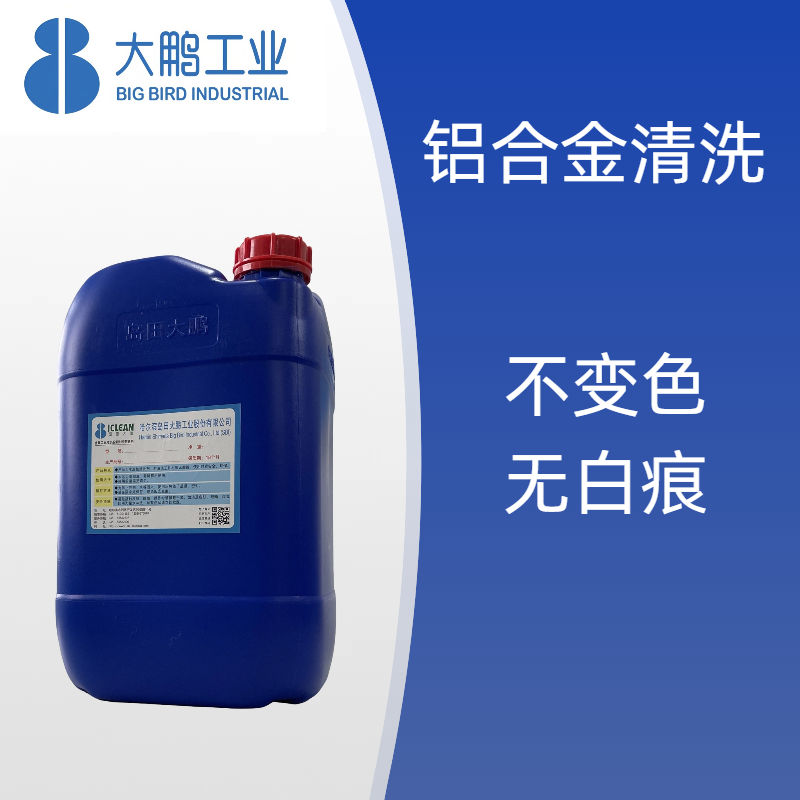



【Keywords】: aluminum alloy cleaning agent, aluminum part cleaning, discoloration‑free aluminum cleaning, white residue from cleaning agent
【Abstract】: Aluminum and its alloys feature active chemical properties and are sensitive to strong‑alkaline cleaning agents. Improper cleaning may cause corrosion, discoloration and white blow‑dry residues. Special‑purpose cleaning agents with weak‑alkalinity, non‑corrosive formula and blow‑dry‑residue‑free performance such as CP‑25LG shall be adopted for aluminum‑part cleaning.
Why Aluminum Parts Are Demanding on Cleaning Agents
Aluminum is an amphoteric metal vulnerable to both strong acids and strong alkalis. Common issues include:
‑ Corrosion and discoloration: Strong‑alkaline formulations attack aluminum surfaces and result in blackening or grey discoloration.
‑ White residue: Inorganic salts and poorly‑soluble components in cleaning agents precipitate after blow‑drying, leaving white marks on workpieces, which impair appearance and may compromise subsequent welding and lubrication processes.
‑ Reduced surface tension: Residues lower the surface tension of aluminum parts and degrade later‑stage painting and bonding performance.
Therefore, special‑purpose cleaning agents dominated by organic components with weak‑alkaline or neutral properties and free of strong alkali salts are preferred for aluminum‑part cleaning.
Core Features of CP‑25LG Special‑Purpose Aluminum Alloy Cleaning Agent
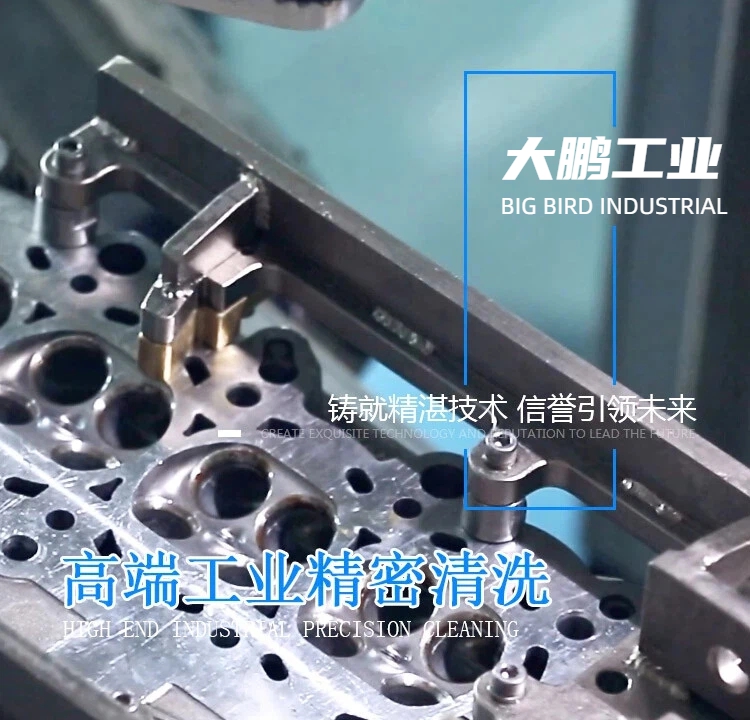
CP‑25LG is a dedicated product developed by Dapeng Industrial for aluminum alloy surface cleaning. Its key performances are as follows:
‑ White‑residue‑free: Dominated by organic components, it leaves no white marks after blow‑drying and imposes no adverse impact on subsequent lubrication and welding.
‑ Improved surface tension: Effectively raises workpiece surface tension after cleaning to facilitate downstream processing.
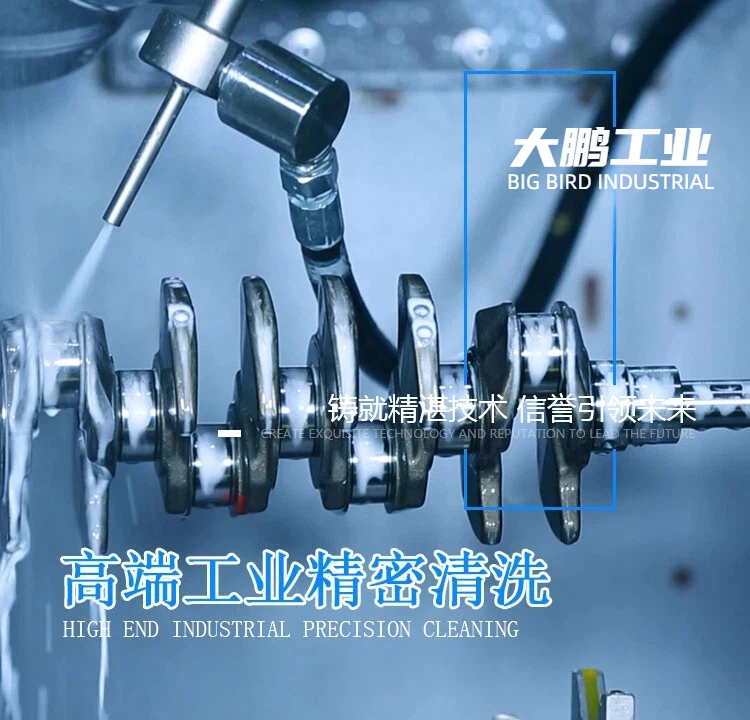
‑ Low‑foam performance: Exhibits low‑foam property above 40 °C and is immune to cleaning pressure, suitable for high‑pressure spraying.
‑ Outstanding high‑temperature degreasing: Delivers remarkable degreasing capacity when heated to 60 °C.
‑ Precise process compatibility: Stable performance accurately meets surface cleaning and degreasing requirements for component production processes without negative influence on subsequent operations.
Applicable scenarios: Cleaning processes for surface treatment of automotive parts and non‑ferrous metal processing; compatible with spraying cleaning and other processes.
Process Recommendations for Aluminum‑Part Cleaning
Product selection: Prioritize aluminum‑alloy‑specific cleaning agent CP‑25LG for aluminum parts. General‑purpose weak‑alkaline grades such as CP‑60B are non‑corrosive and discoloration‑free toward aluminum, serving as the general option for mixed‑material production lines.
Concentration: Prepare solution at recommended concentration (2%‑5% for reference) and avoid excessive concentration which may trigger residues.
Temperature: Heat to 60 °C for higher degreasing efficiency. Adopt ambient‑temperature grades such as CPAL‑MULP23 for room‑temperature working conditions.
Rinsing and blow‑drying: Conduct sufficient rinsing and compressed‑air blow‑drying after cleaning to further eliminate white residues.
Inspection: Regularly test working‑solution concentration and pH value, replenish agent or replace solution timely to maintain stable cleaning quality.
FAQ
Q: What to do if aluminum parts turn black after cleaning with ordinary cleaning agents?
A: It indicates aluminum surfaces are corroded by excessive alkalinity or over‑limit temperature of the cleaning agent. Immediately switch to weak‑alkaline aluminum‑specific cleaning agent such as CP‑25LG and verify whether cleaning temperature stays within the recommended range.
Q: What causes white marks on aluminum parts after blow‑drying?
A: It is mainly caused by precipitation of inorganic salts or poorly‑soluble components during blow‑drying. This problem can be solved by adopting organic‑component‑based residue‑free special grade CP‑25LG together with sufficient rinsing and thorough blow‑drying.
Q: What processes is CP‑25LG suitable for?
A: It is compatible with spraying cleaning. It features low‑foam property above 40 °C regardless of cleaning pressure and fits high‑pressure spraying production lines. Its degreasing performance reaches peak at 60 °C.
Q: How to select cleaning agents for mixed‑line production of aluminum and steel parts?
A: Multi‑material‑compatible weak‑alkaline products are recommended, for example CP‑60B (non‑corrosive and discoloration‑free for aluminum, anti‑rust for iron and cast iron), or ambient‑‑temperature grade CPAL‑MULP23 (applicable to steel, cast iron and aluminum alloy, free of strong‑alkali‑salt residues).